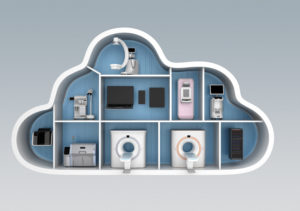
UltraView: The Future of Cloud-Native Diagnostic Imaging
Imaging at a Crossroads Healthcare today is both more advanced and more complex than ever before. Imaging lies at the

Imaging at a Crossroads Healthcare today is both more advanced and more complex than ever before. Imaging lies at the
In today’s healthcare landscape, medical image management plays a critical role in patient care, efficiency, and compliance. But many practices
Veterinarians are often asked to do the impossible—balance compassionate, hands-on care with the complex demands of diagnostics, recordkeeping, and growing
In today’s fast-paced healthcare world, speed, accuracy, and flexibility are no longer nice-to-haves — they are essential. Whether you manage
In a healthcare environment shaped by speed, accuracy, and digital transformation, imaging workflows cannot afford to lag behind. Yet many
In the world of medical diagnostics, few conditions present as much urgency and complexity as Giant Cell Arteritis (GCA). This
Echo Parameters – Ventricular DimensionsEchocardiograms are invaluable diagnostic tools in cardiology, offering real-time imaging of the heart’s structure and function.
A hot-off-the-press study in Current Problems in Diagnostic Radiology is causing quite a stir in the world of placenta accreta spectrum (PAS). Turns out, structured MRI reporting isn’t just satisfying our type-A personalities – it’s potentially keeping moms out of the ICU!

In the field of cardiology, time is measured in heartbeats – saving time saves lives. The ability to acquire and
Clinical cardiologists spend an average of 37.9 hours a week meeting with patients and another 16.9 hours filling out paperwork